Plaza Theatre
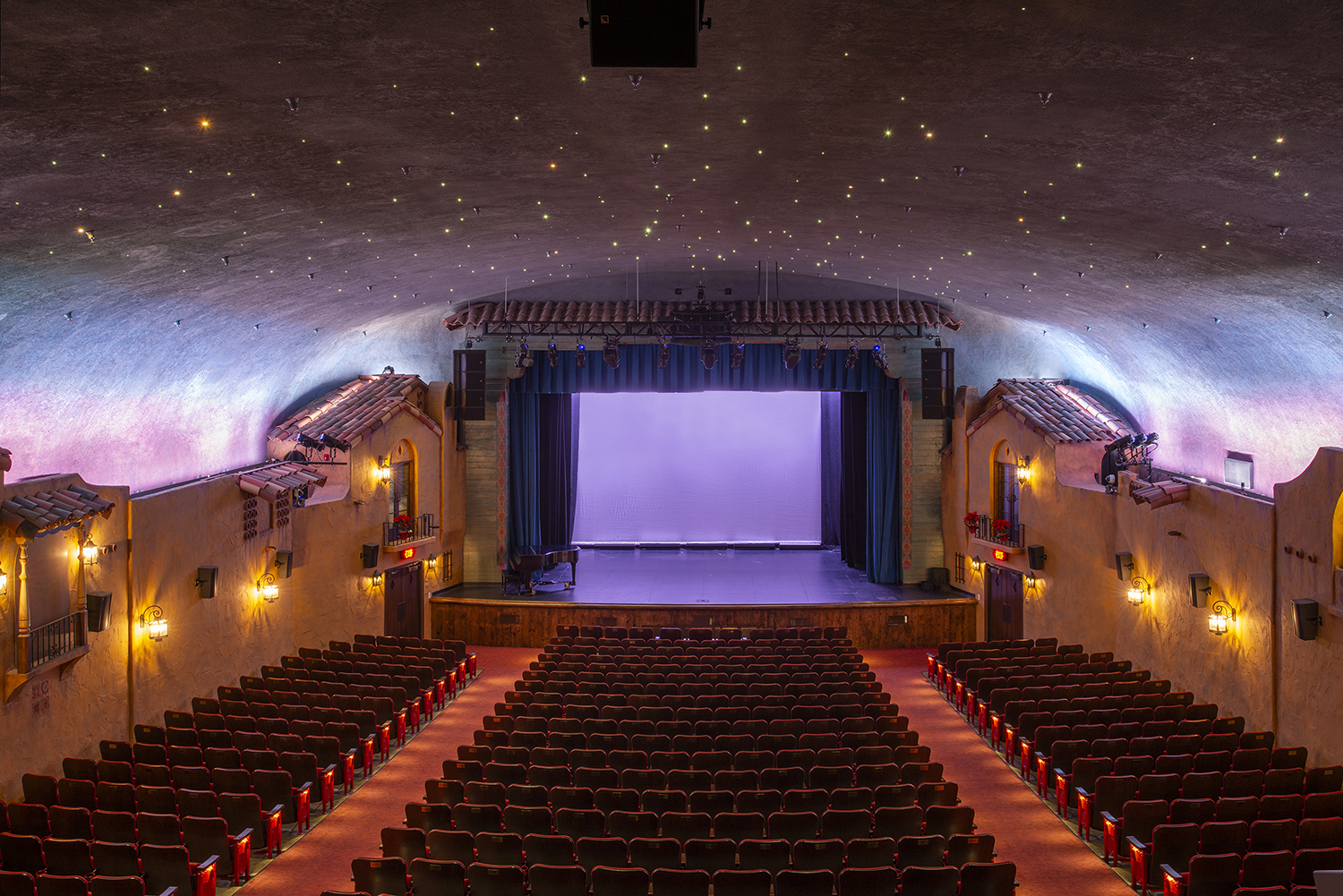
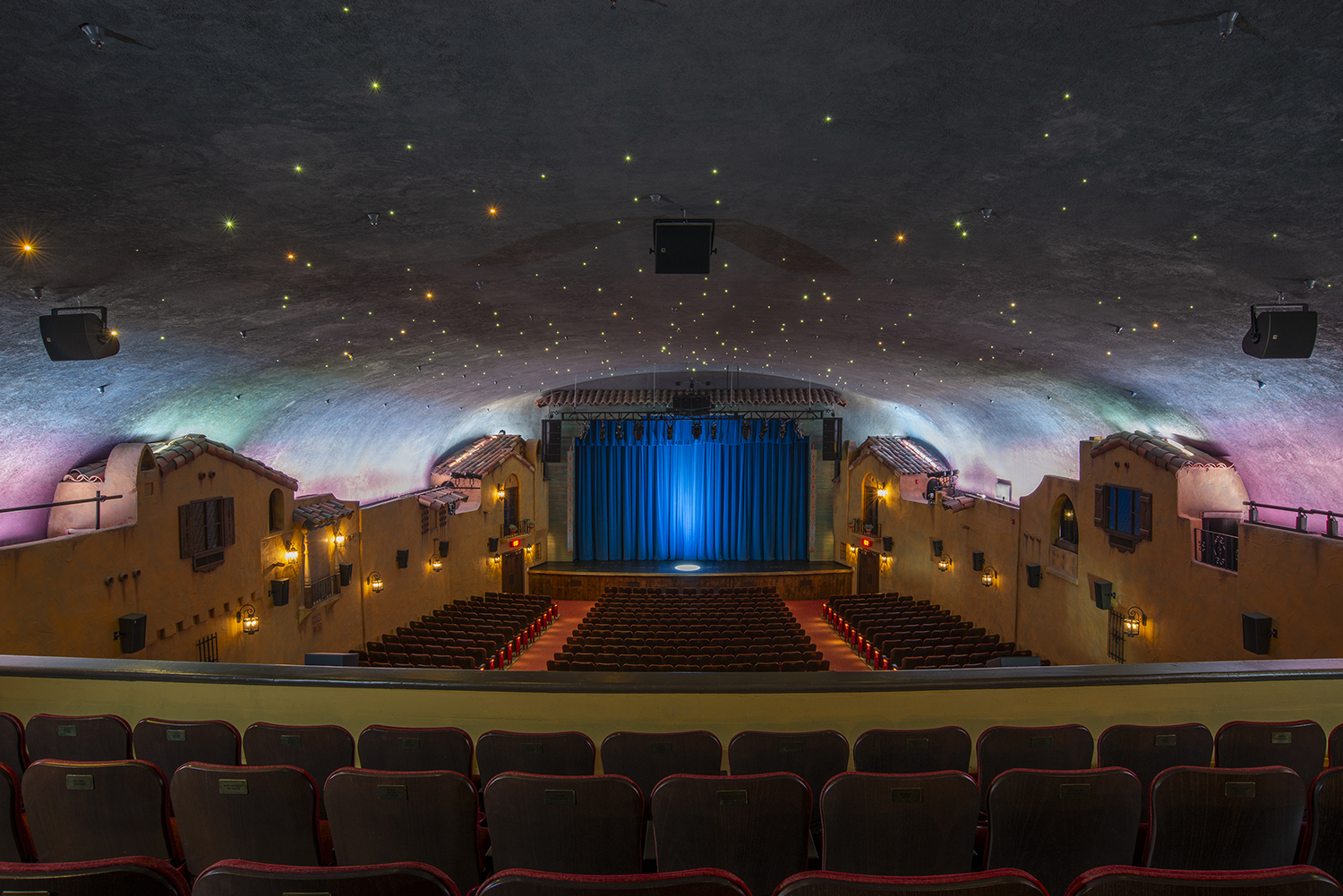
The Plaza Theatre is a historic performing arts venue in the heart of Downtown Palm Springs, CA. Originally commissioned by Julia Carnell and designed by architect Harry Williams, the theater is a cornerstone of the La Plaza complex, one of the first commercial shopping centers of its kind when it opened in 1936. The decorative auditorium interior evokes an evening village scene in a Spanish Colonial Revival style, a rare surviving example of an atmospheric theater. The Plaza Theatre played a major role in contributing to the cultural fabric of the Coachella Valley for over nine decades, hosting a variety of film premieres, radio shows, and live acts including The Fabulous Palm Springs Follies musical revue. In 1991, the Plaza Theatre was designated as a Class 1 Historic property by the City of Palm Springs Historic Site Preservation Board. The theater was closed in 2014, leaving the beloved building’s future uncertain.

In 2022, the City of Palm Springs formed a partnership with the Palm Springs Plaza Theatre Foundation to restore the building as a landmark event venue for the greater Palm Springs community. The renovated building reopened in 2025. As Executive Architect, Architectural Resources Group peeled back later alterations to restore the building’s character-defining features and implemented building and site improvements to meet current code requirements and performance standards. Additionally, ARG assisted the City and Foundation with securing Federal Historic Tax Credits to help finance the project. As a stipulation of the historic tax credits, ARG prepared a National Register of Historic Places nomination for Plaza Theatre. The building was officially listed in the National Register in December 2025.
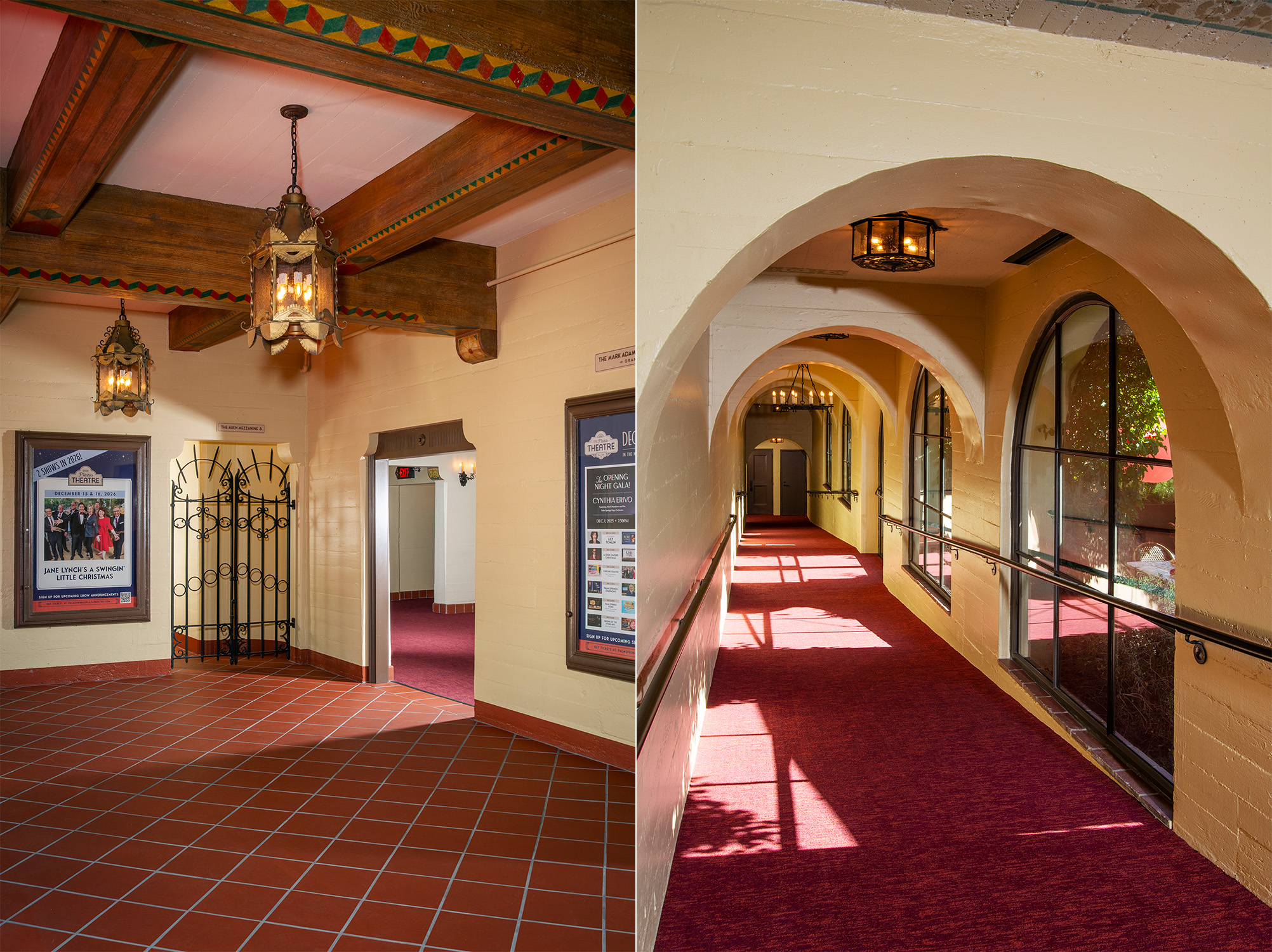
ARG utilized a cross-disciplinary approach to aid in the rehabilitation of the building, marshaling the firm’s expertise in each of its practice areas. To restore the theater’s historic design features, staff conducted extensive archival research and finishes analyses of its exterior and interior. Methods include referencing original construction documents to rebuild portions of the atmospheric side walls and conducting paint analyses to determine the original finish colors of the building. The findings of this work guided the development of contract documents and specifications to restore Plaza Theatre to its original design intent.
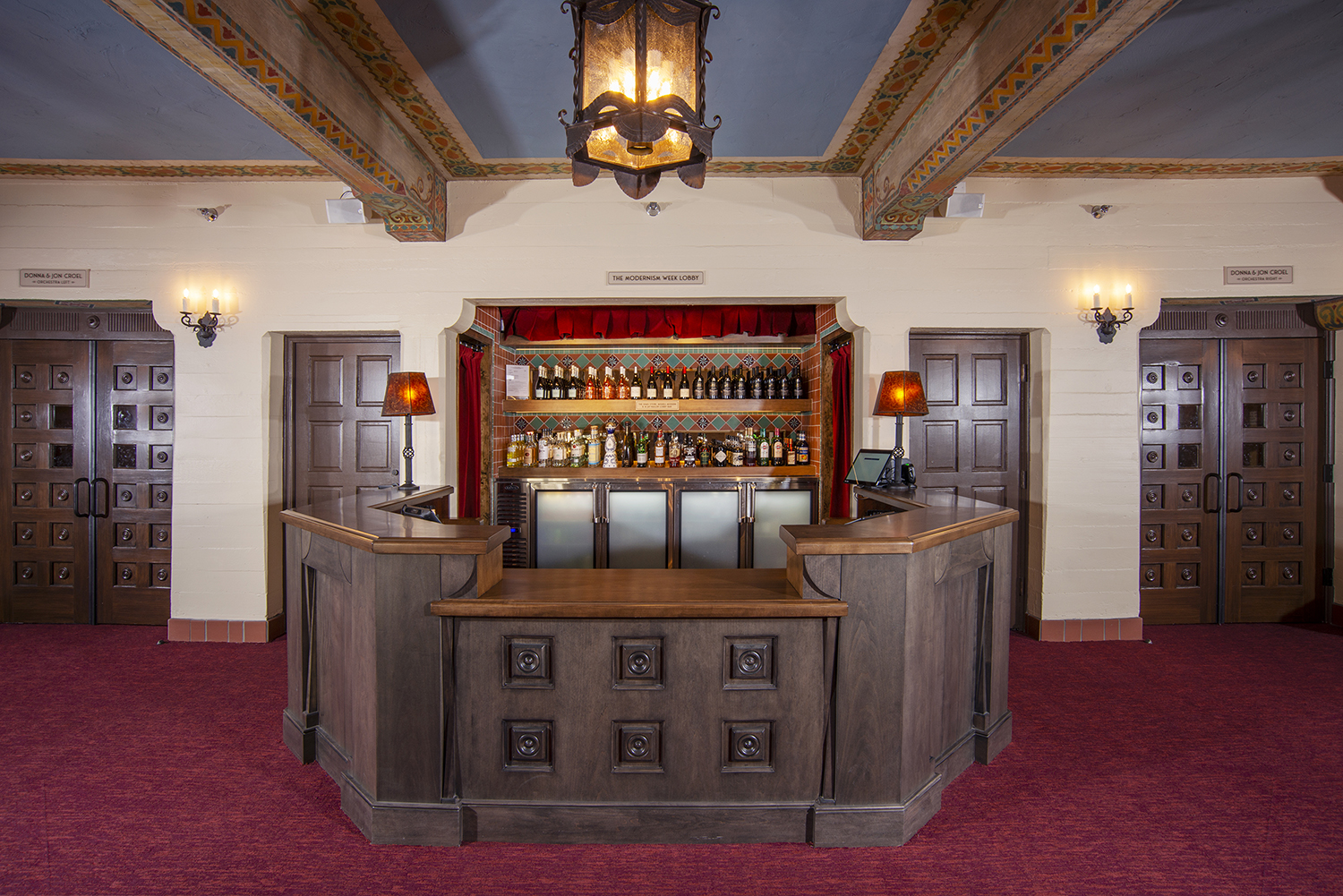
The rehabilitation of the theater included repairs to the historically significant atmospheric sidewalls and ceiling, restoration of the stenciling at the lobby and proscenium, and restoration of the historic light fixtures. Modernization of the building included an expanded conditioned lobby area, a renovated inner lobby with new bar and concessions area, new theater seating, and accessibility modifications. Energy-efficient fixtures and accessories, and acoustical improvements were also installed throughout the interior. Site improvements comprised a redesigned entry plaza to heighten the building’s street presence and increase its accessible egress capacity through construction of a widened pedestrian ramp. The plaza’s historic running bond tile paving pattern was also restored as part of this work. All work to the building was designed for compliance the Secretary of the Interior’s Standards for Rehabilitation, a requirement for historic tax credits. By balancing the historic nature of the building and accommodating modern needs, the Plaza Theatre is set to be a viable venue for years to come.