Lincoln County Archaeological Initiative
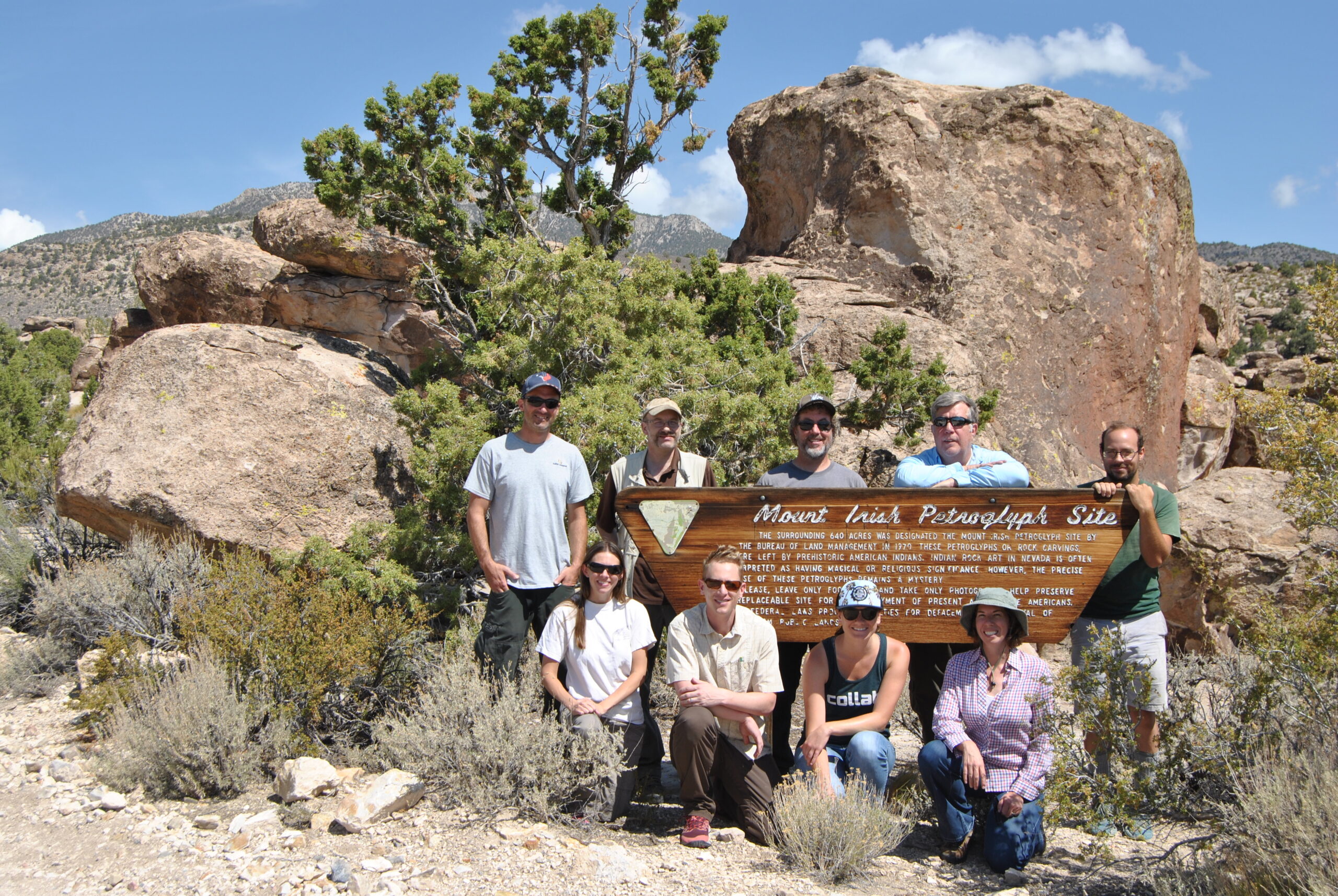
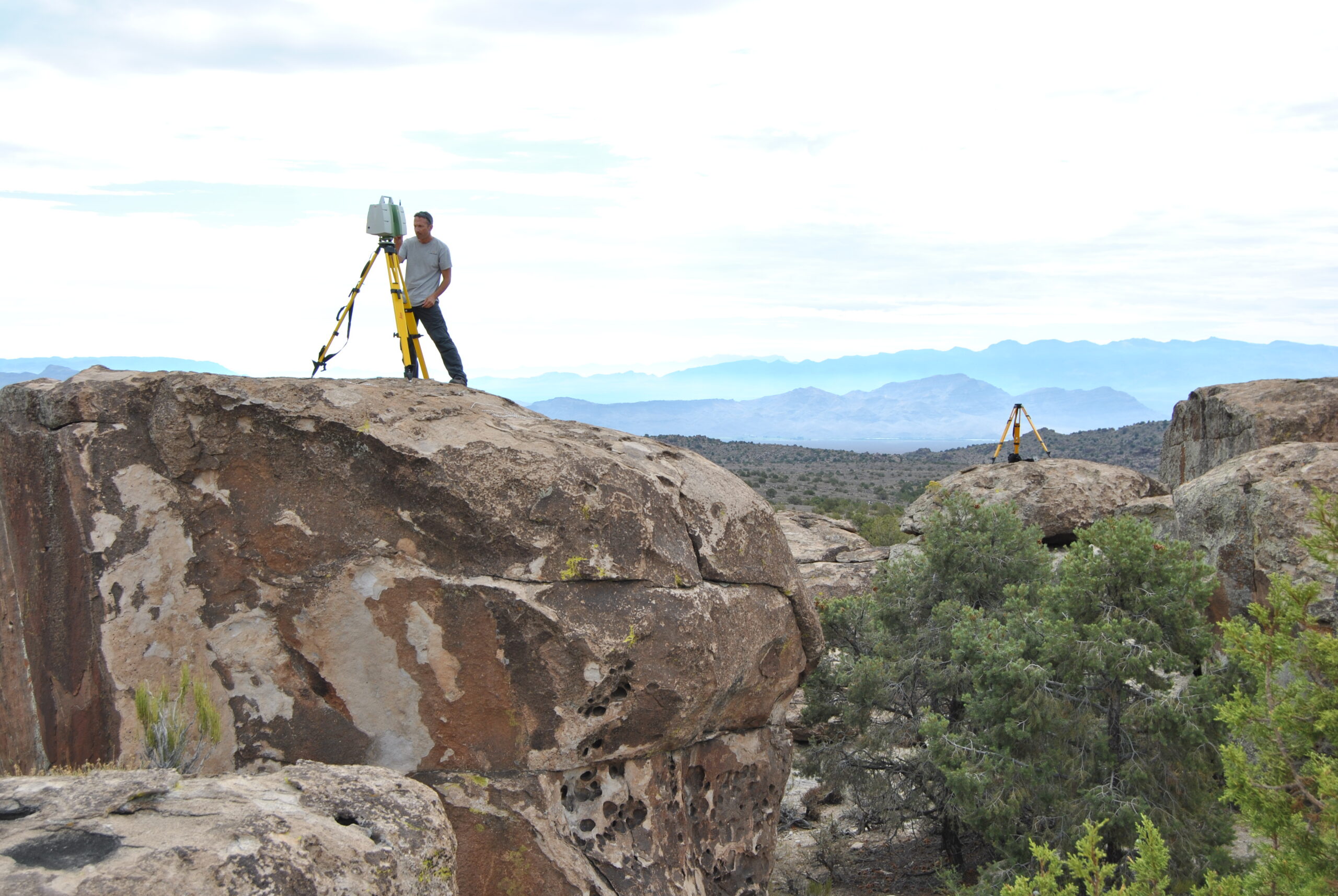
Three-dimensional documentation techniques have found increasingly common use in the fields of archaeology and historic preservation, allowing the detailed capture of data in sites that are complex, threatened, or difficult to access. In a project funded in Round 10 of the Lincoln County Archaeological Initiative (LCAI), ARG successfully completed a pilot study examining the utility of 3D techniques in documenting and interpreting cultural resources in the Basin and Range National Monument. The team worked in close consultation with the Nevada Rock Art Foundation, G2 Archaeology, and the BLM to select three pilot sites: Crescent City, Paiute Rocks/Mt. Irish IV, and Red Pigment Canyon/Shooting Galler.
Crescent City (26Ln7526) is an 1860s mining and milling townsite in the Pahranagat Mining District. 3D documentation focused on the site’s two surviving architectural features: a tall industrial brick chimney (the last vestige of the Crescent Mill) and a stone cabin.
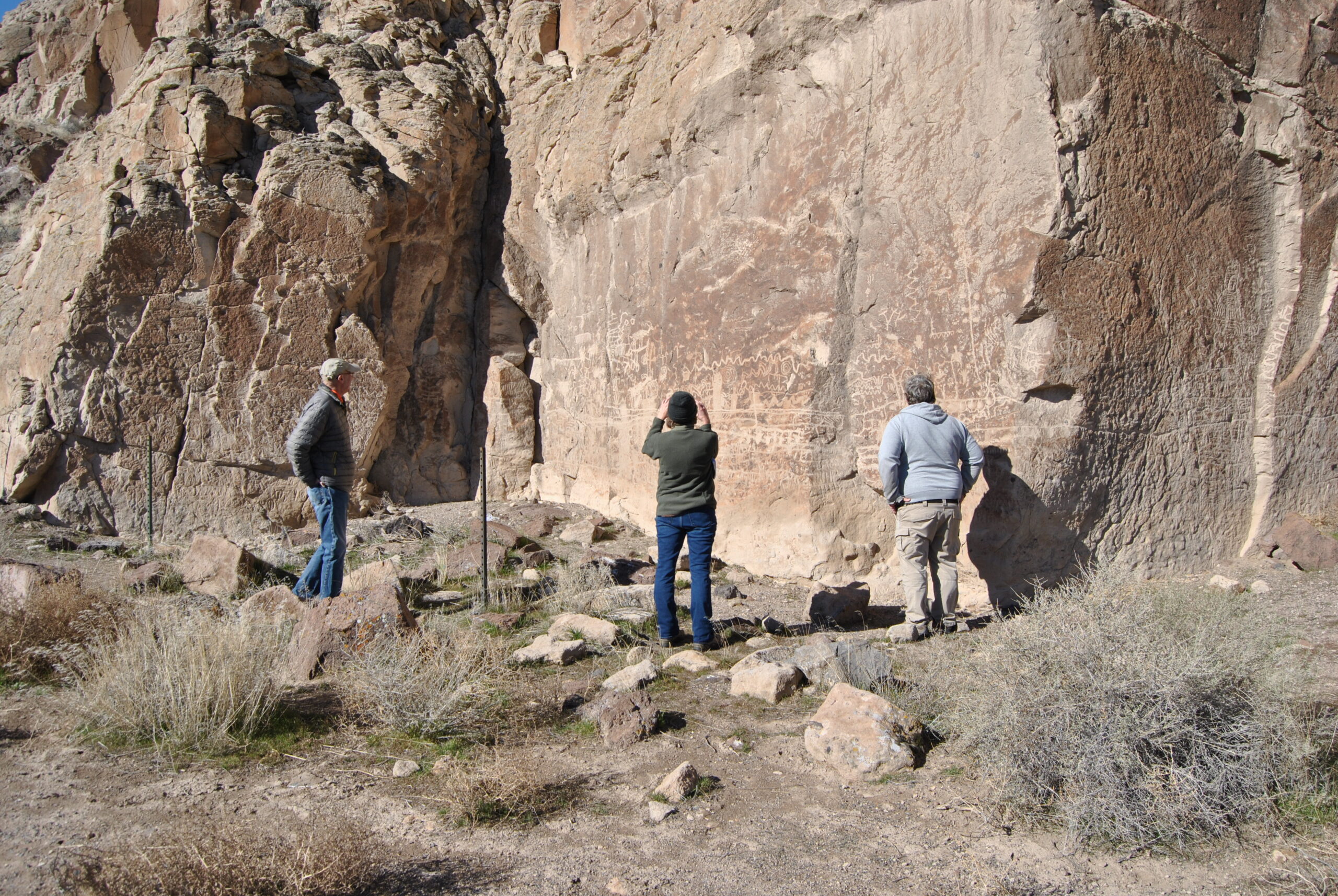
Paiute Rocks/Mt. Irish IV (26Ln356) is a prehistoric site with 82 rock art panels arrayed around the sides of a prominent cluster of rock outcrops. It sits on a heavily traveled county road and is very accessible and visible; its panels have been impacted by vandalism as well as natural exfoliation.
Red Pigment Canyon/Shooting Gallery III (26Ln4232), located within the massive Shooting Gallery Archaeological District, contains over 60 rock art panels as well as a rockshelter and bedrock milling stations. The site is a steep, narrow canyon some distance from the closest road, and therefore a good candidate for interpretation through online “virtual site access” for those unable to visit in person.